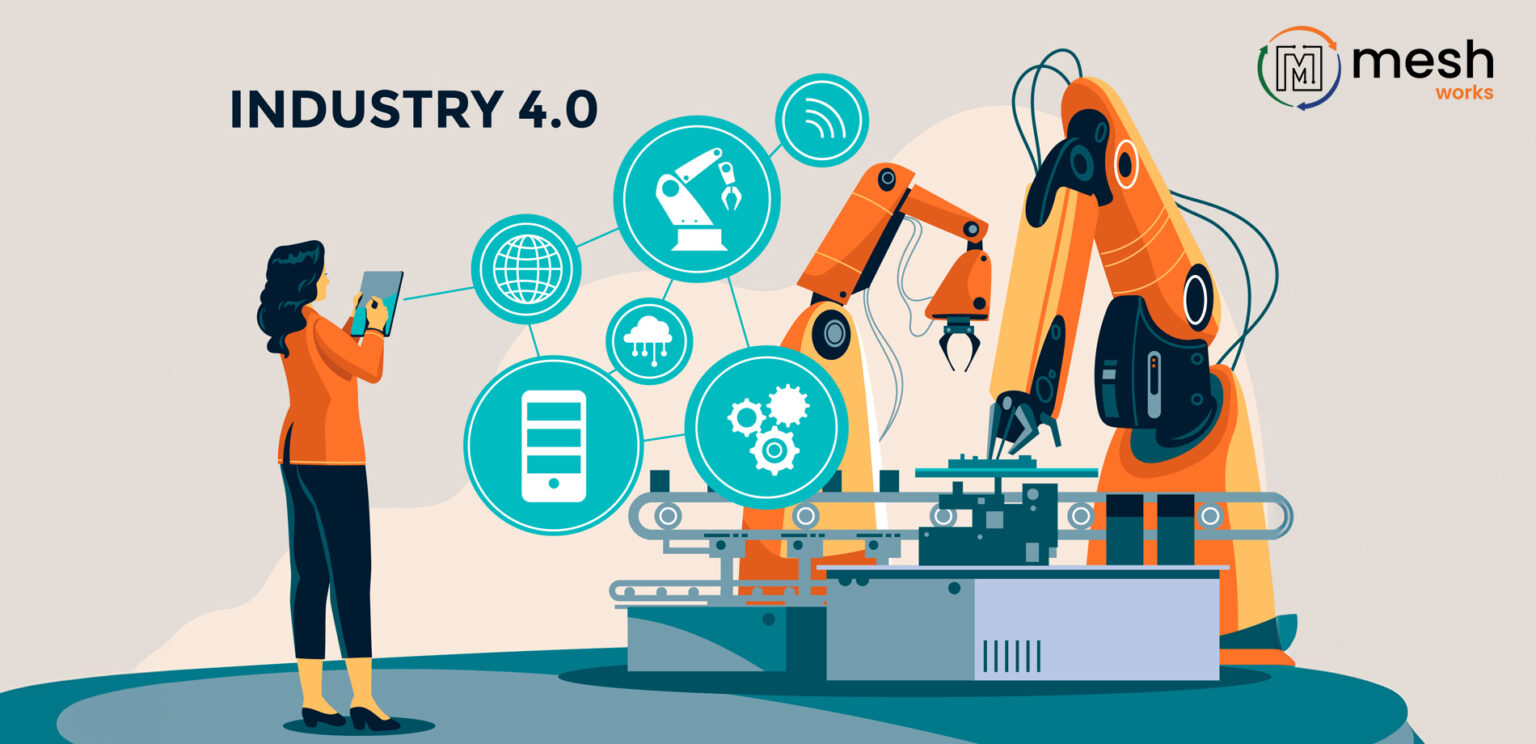
Integrating Quality Control (QC) tools into the digital transformation landscape is not just a passing trend; it represents a fundamental shift redefining the future of manufacturing. As we enter Industry 4.0, the convergence of AI, IoT, and advanced robotics is revolutionizing traditional manufacturing processes. These digital tools are no longer optional; they have become critical for competitiveness in an increasingly data-driven and automated environment.
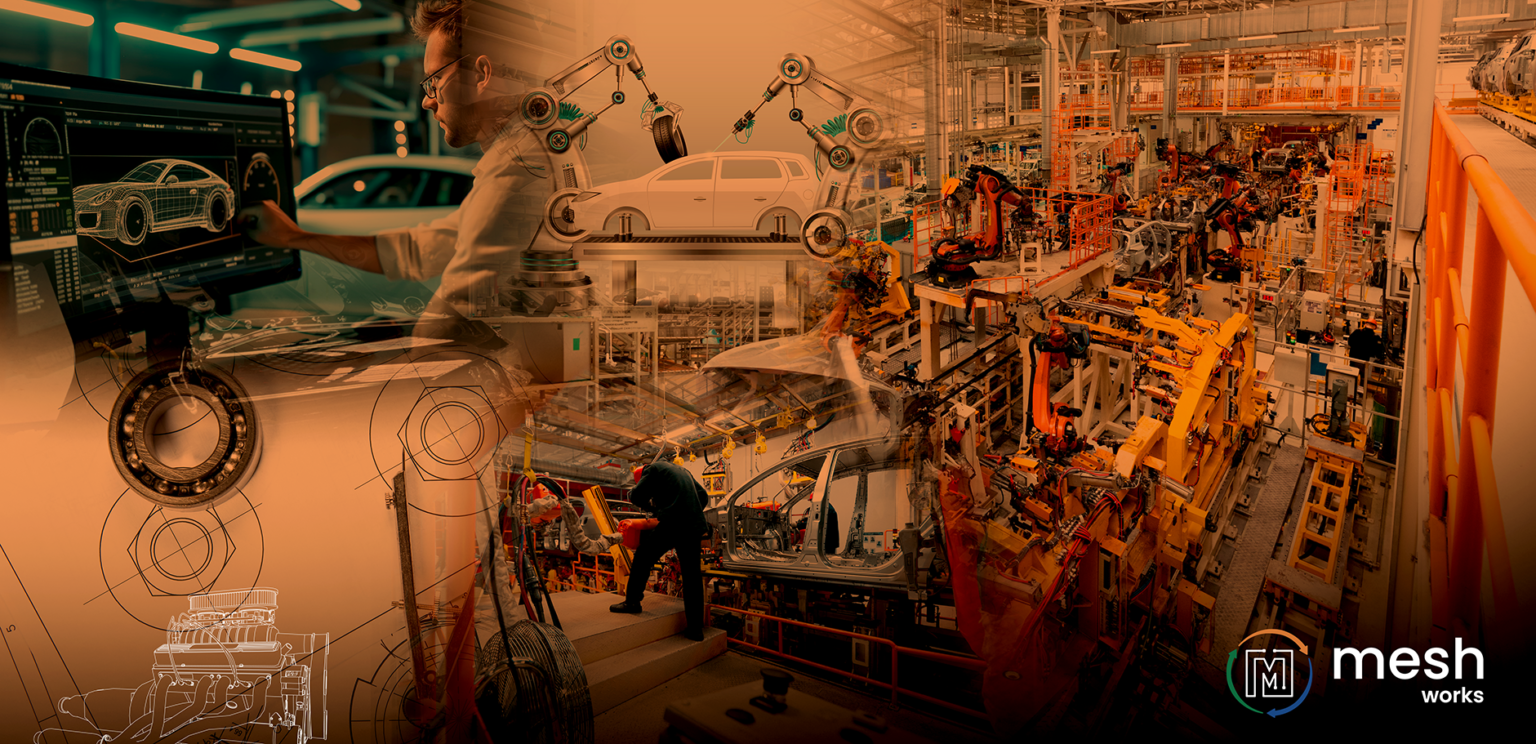
In this new era, Quality Control tools with artificial intelligence (AI) capabilities enable manufacturers to monitor quality in real time. This shift means that deviations from production standards can be detected immediately, allowing corrective actions to be taken before issues escalate. The result is enhanced quality monitoring, predictive maintenance, and significant reductions in downtime, leading to optimized production efficiency. Imagine a factory where automation and robotics collaborate seamlessly with intelligent QC systems, continuously analyzing data to improve overall process performance.
However, the true power of integrating Quality Control tools into Industry 4.0 lies in the wealth of data they generate. AI-powered QC systems don’t just detect problems—they learn from them. By analyzing vast amounts of data from multiple production cycles, these systems can identify trends and potential issues before they occur. This leads to better decision-making, more precise forecasting, and a proactive approach to quality management, where manufacturers can prevent defects rather than react to them.
Furthermore, QC tools are becoming central to manufacturing sustainability efforts. By optimizing production processes, minimizing waste, and reducing energy consumption, these technologies support companies in meeting both their efficiency and environmental goals. In a world where consumers and regulators demand more responsible production practices, adopting such tools can offer a significant competitive edge.
Looking ahead, the future of manufacturing hinges on embracing these innovations. Businesses that leverage integrated QC tools will experience immediate improvements in product quality and enjoy long-term gains through advanced data analytics and continuous feedback loops. This creates a more agile, adaptive manufacturing ecosystem that can respond dynamically to market demands while maintaining stringent quality standards. Those who fail to embrace these technologies risk being left behind in this rapidly evolving industrial landscape.
In conclusion, companies must prioritize integrating advanced QC tools into their operations as manufacturing evolves.
These technologies transform quality management from a reactive process into a strategic asset, helping manufacturers stay ahead in an era where quality, efficiency, and sustainability are paramount.
Want to learn more about optimizing your manufacturing quality standards? Let the experts from MESH Works simplify that for you.
Written by Suhas Jagtap, VP of Business Development at MESH Works, a leader in integrating digital tools for improving manufacturing and quality processes.