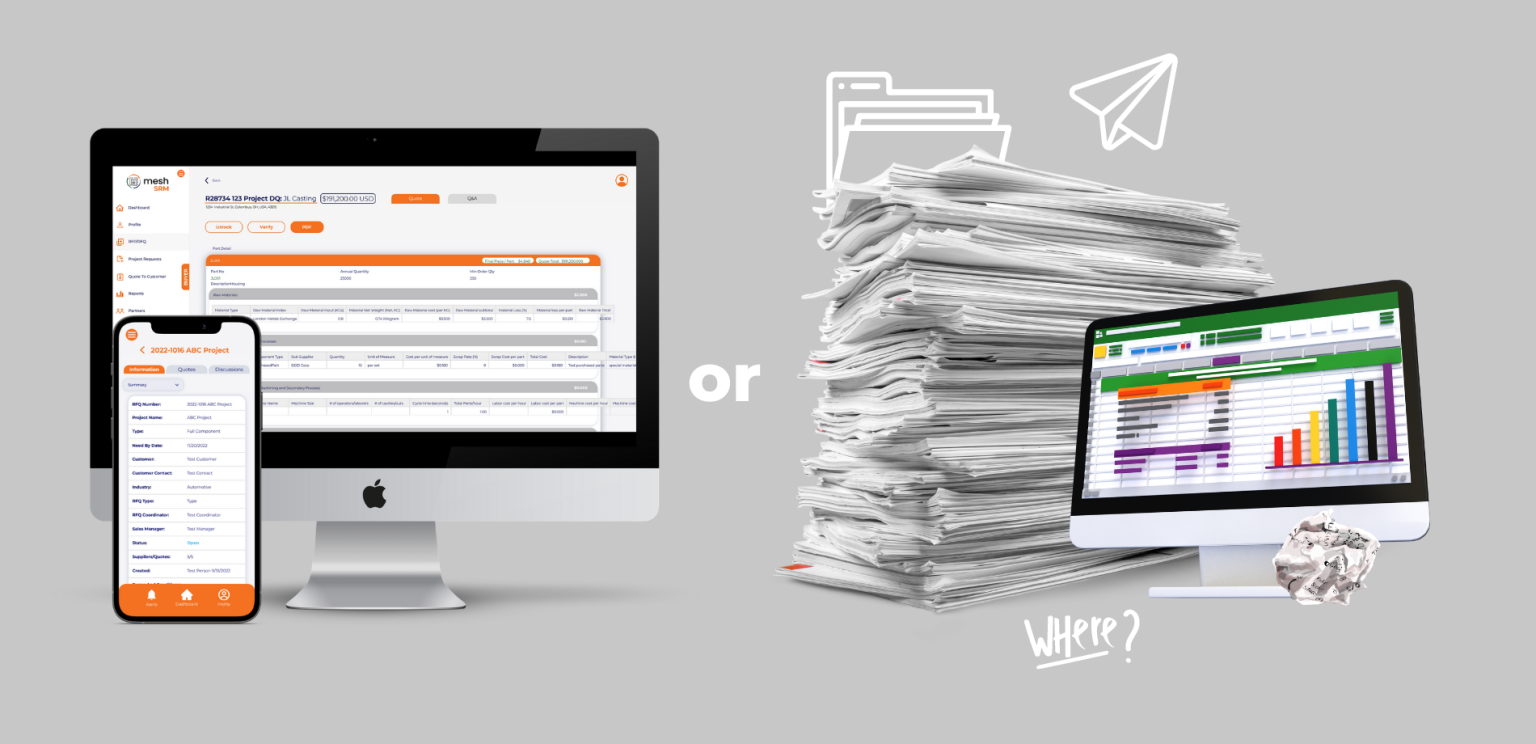
The turbulent events of the last two years brought the world, including the Metalcasting Industry, to a virtual standstill. With it, a realization of how dependent organizations are on close departmental interactions and supplier communities. Companies have reacted by shifting their focus towards collaboration and improving efficiencies. Purchasing is no exception.
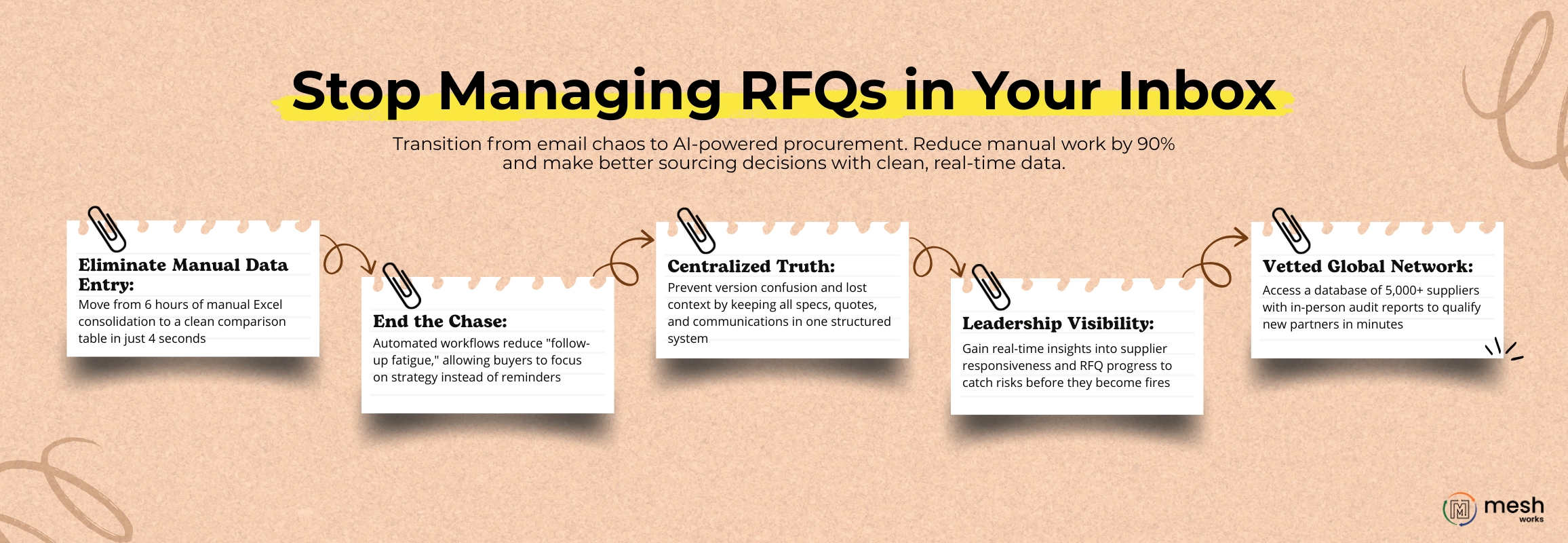
Many casting buyers still use antiquated methods for procurement that are both time-consuming and often inaccurate. Juggling Excel® worksheets, PDF drawings, emails, and shared file folders to generate RFQs has replaced cloud-based procurement specialized solutions specifically for metal and die casters that allow you to quickly execute accurate RFQs and manage supplier relationships. The use of these tools greatly speeds up transactions and improves efficiency. You can generate accurate RFQs in less than two minutes and manage the process more efficiently from a single dashboard.
These new software advancements create a more efficient process for creating accurate RFQs. Instead of creating new categories (which traditionally meant costly custom development), the database includes nearly all iron, steel, aluminum, and other material grades. Engineers and buyers can create a “My Parts” library to easily develop RFQs for repetitive material requests and tasks that can be customized for specific buyers across the globe. This allows the casting buyer to pick and quickly create an RFQ in minutes.
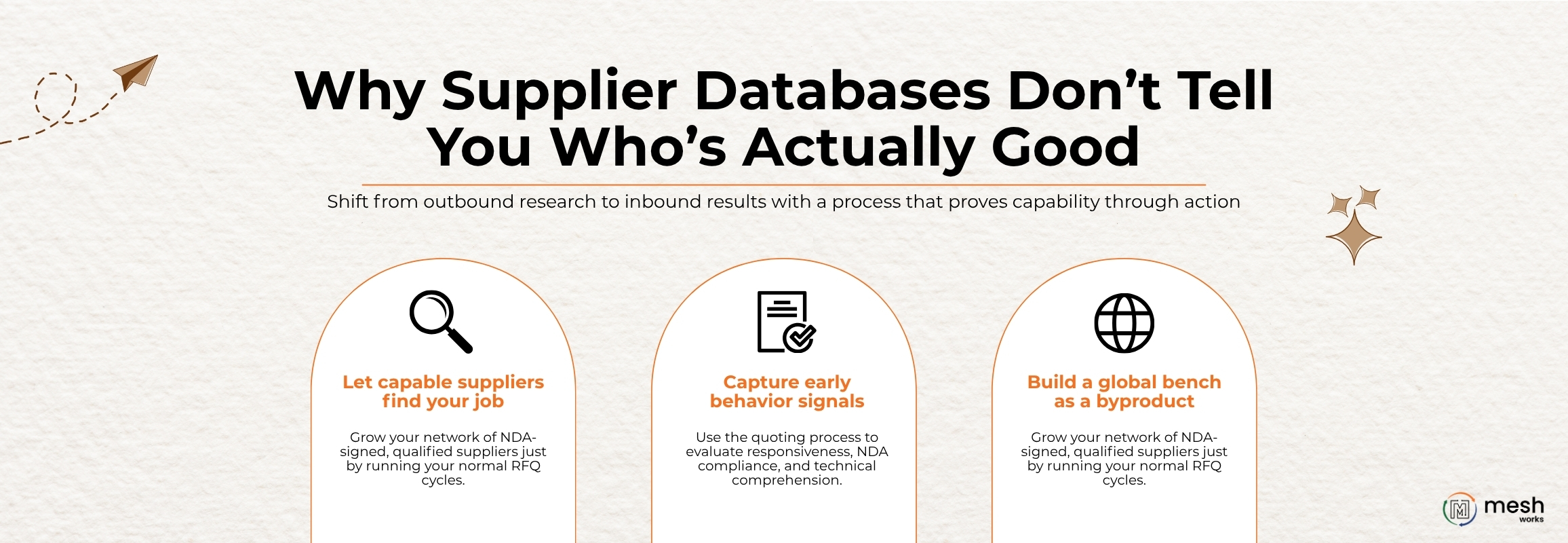
Expanding sourcing capabilities and creating a more robust risk mitigation strategy should be on the minds of all manufacturing leaders as they plan for 2023. An expanding supplier database makes sourcing by location, commodities, process, and capability easier and creates a robust and trustworthy network of buyers and suppliers. Instant snapshots with customizable dashboards and reporting make it easier for leadership to forecast, plan, and make project decisions.
Improved Supplier Relationship Management allows organizations to compare quotes and analyze them intuitively in a cloud-based software solution. Buyers communicate directly with suppliers in the dashboard when ordering or sourcing materials. Discussions and negotiations can also be viewed on the dashboard for confidential conversations between buyers and suppliers for planning purposes. Certifications can also be tracked and filtered through the supplier database.
Benefits of Supplier Relationship Management Software
Historically, the Metalcasting Industry has focused primarily on manufacturing processes, production quality, and casting designer and buyer interactions. Often in a secondary position is the development of new ways to source materials and services, improve procurement processes, manage current suppliers, and develop new sources of supply. Now is the time to optimize the processes we use to interact with suppliers. With cloud-based SRM software, a company can sizably speed up the RFQ process, more capably manage existing suppliers and find new ones, and holistically manage the entire supplier engagement process.
SRM software sets suppliers up for success by creating an environment where they can do their best work. At the heart of SRM software is the interaction of people, which is why integration strategies must be deployed for the tool to succeed. Supplier Relationship Management embodies the core principle of collaboration and innovation but takes it further to drive real value for everyone. Making sure the software tool fits is key to successful implementation.
SRM software seeks to identify and remove friction points actively: As such, it is a pragmatic approach. This radically improves the experience for buyers and suppliers. It frees up their time and resources to do their best work. SRM is a logical step for competitive advantage. A strong cultural mindset and SRM software will foster the right environment for mutual success. Sourcing and purchasing efficiencies will grow, and supplier transparency will dramatically improve. Happy and motivated suppliers who face fewer obstacles will be better placed to mitigate risks and optimize advantages on buying the organization’s behalf to benefit the end customer, and operational efficiency will thrive.
SRM software goes beyond Procurement: The notion of end-to-end has broadened from a Procurement based ‘sourcing to contract’ process to being more relevant across the organization. As Supplier Relationship Management is fully cross-functional, it benefits the business holistically.
Supplier Relationship Management Software Framework
Determining the organization’s level of supplier centricity can be measured through two factors. First is the cultural mindset, in which everyone must acknowledge that all suppliers, not just a strategic few, should have collaborative experience. This benefits supplier, buyers, sourcing specialists, and senior management. A business does this by ‘putting themselves in their suppliers’ shoes,’ removing consistent pain points, and ensuring internal teams work cross-functionally so that suppliers’ experience is truly end-to-end. The second factor is adopting a technological framework that ensures a supplier-focused approach. Organizations should make it as easy as possible for their suppliers to collaborate.
A software tool must allow buying and supplier organizations to integrate into one system. This allows both organizations to collectively manage relationships and ultimately streamline and speed up workflows. SRM software can provide automated methods to:
– Execute RFQs and track quoting activities
– Communication between buyers & suppliers
– Assist sales in initiating requests & manage quotes to customers
– Classify and segment suppliers
– Provide a vehicle to allow suppliers to manage information, documentation, capabilities, & certifications
– Integrate supplier performance scorecards
– Provide an avenue & opportunities for supplier development and innovation
Joining the Digital Age of Procurement
Cloud-based software tools that are industry specific can provide significant advantages for closer collaboration with suppliers. They can provide quick and easy generation of RFQs, fast access to a well-mapped supplier database, and a portal to identify potential suppliers. This leads to higher efficiency in sourcing, buying, and collaborating with suppliers. It also reduces the waste typically associated with trying to figure out how you last did something – to provide an accurate and profitable RFQ.
To best evaluate these tools, companies should complete an analysis of current procurement practices. This discovery process is the best way to determine the value these tools might bring to the organization. Time is valuable – why continue to waste it with old-school methods when there are easier and more affordable ways to achieve operational excellence?
Contact one of our specialists in Ohio to learn how MESH SRM can help your organization, test it out in our demo environment, or sign up for a free 90-day trial: info@meshworks.com | 1-833-437-6737
Originally published in Simple Solutions That Work, April 2023